

Hastelloy C276 and Alloy 825 are two of the most popular options regarding corrosion-resistant alloys. These alloys are ideal for environments with paramount strength, durability, and corrosion resistance. However, deciding which one to choose can be confusing. In this blog post, we will compare the Hastelloy C276 plate and Alloy 825 plate to help you make an informed decision.
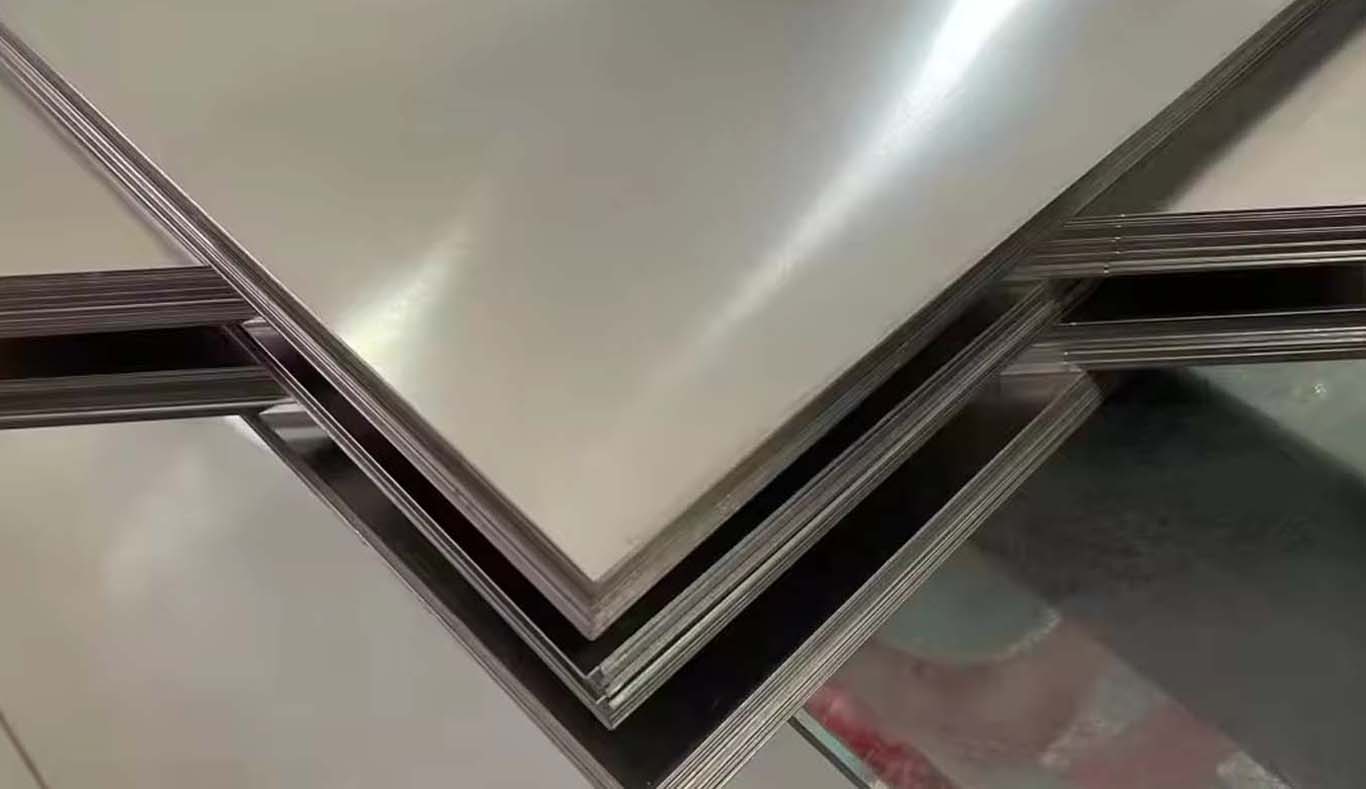
Hastelloy C276 Plate is a nickel-molybdenum-chromium alloy with an addition of tungsten. It has superior corrosion resistance in oxidizing and reducing environments, making it suitable for chemical processing, flue gas desulfurization systems, and pollution control applications. It is highly resistant to pitting and crevice corrosion, stress cracking, intergranular attack, and general corrosion in most severely corrosive media. The Hastelloy C276 plate has excellent weldability with no pre- or post-weld heat treatments required.
Alloy 825 Plate is a Nickel-based plate with high creep and stress rupture properties. It offers excellent corrosion resistance in many media, including sulfuric, phosphoric, and nitric acids. Adding molybdenum improves pitting and crevice corrosion resistance compared to the 800-range alloys. At the same time, copper allows for increased resistance to sulfide stress cracking and better general corrosion characteristics. Alloy 825 Plate is also used for applications involving seawater or phosphate environments where chloride ion contamination must be resisted.
Hastelloy C276 is a nickel-molybdenum-chromium superalloy that contains tungsten and is known for its excellent corrosion resistance in various acidic and alkaline media. On the other hand, Alloy 825 is a nickel-iron-chromium alloy that contains molybdenum, copper, and titanium and is also known for its excellent resistance to corrosion and stress cracking in various environments.
Hastelloy C276 has a high yield strength and is known for its excellent hardness, while Alloy 825 has a low yield strength and is known for its high ductility. This means that Hastelloy C276 is ideal for applications where strength is the primary concern, while Alloy 825 is better suited for applications where corrosion resistance and ductility are more important.
Both Hastelloy C276 and Alloy 825 are highly corrosion-resistant alloys. However, Hastelloy C276 has better pitting and crevice corrosion resistance due to its high molybdenum and tungsten content. In contrast, Alloy 825 has better resistance to oxidizing and reducing environments due to its high nickel and chromium content.
The Hastelloy C276 plate has a higher tensile strength than the Alloy 825 plate. This means that it is more resistant to being pulled or stretched apart.
The Hastelloy C276 plate also has a higher yield strength than the Alloy 825 plate. This means that it can resist being deformed more before it starts to break.
Hastelloy C276 is commonly used in chemical processing, pollution control, and pulp and paper due to its excellent resistance to corrosive environments. On the other hand, Alloy 825 is commonly used in oil and gas production, chemical processing, and power generation industries due to its excellent resistance to stress corrosion cracking and pitting.
Hastelloy C276 is typically more expensive than Alloy 825 due to its high molybdenum and tungsten content. However, the added cost may be worth it in applications requiring extreme corrosion resistance.
In conclusion, both the Hastelloy C276 plate and the Alloy 825 plate are great choices for applications that require corrosion resistance, strength, and durability. Hastelloy C276 is ideal for applications where resistance to pitting and crevice corrosion is crucial, while Alloy 825 is better suited for applications where corrosion resistance and ductility are more important. Ultimately, the choice between the two will depend on the specific requirements of your application and your budget. We hope that this comparison has helped you make an informed decision.
Common questions about Hastelloy C276 Plate and Alloy 825 Plate comparison, properties, uses, and performance.
Hastelloy C276 Plate offers superior resistance to aggressive chemicals, while Alloy 825 Plate provides excellent resistance to acids and stress corrosion cracking.
Hastelloy C276 Plate generally has better corrosion resistance in highly corrosive chloride and oxidizing environments.
Yes, Alloy 825 Plate performs well in seawater and marine environments due to its nickel and molybdenum content.
Hastelloy C276 Plate typically offers higher tensile and yield strength than Alloy 825 Plate.
They are widely used in chemical processing, pollution control, marine, pharmaceutical, and power generation industries.
SMM Industries LLP is a trusted supplier, stockist, manufacturer, and exporter of Hastelloy C276 Plate and Alloy 825 Plate in Mumbai, India.