

In the world of advanced alloys, Inconel and Hastelloy stand out as two of the most widely recognized families of materials. Renowned for their exceptional corrosion resistance, high temperature strength, and versatility, these alloys play pivotal roles in various industries. However, understanding the distinctions between Inconel and Hastelloy is crucial for selecting the optimal material for specific applications. This comprehensive comparison delves into the characteristics, advantages, and applications of Inconel and Hastelloy alloys.
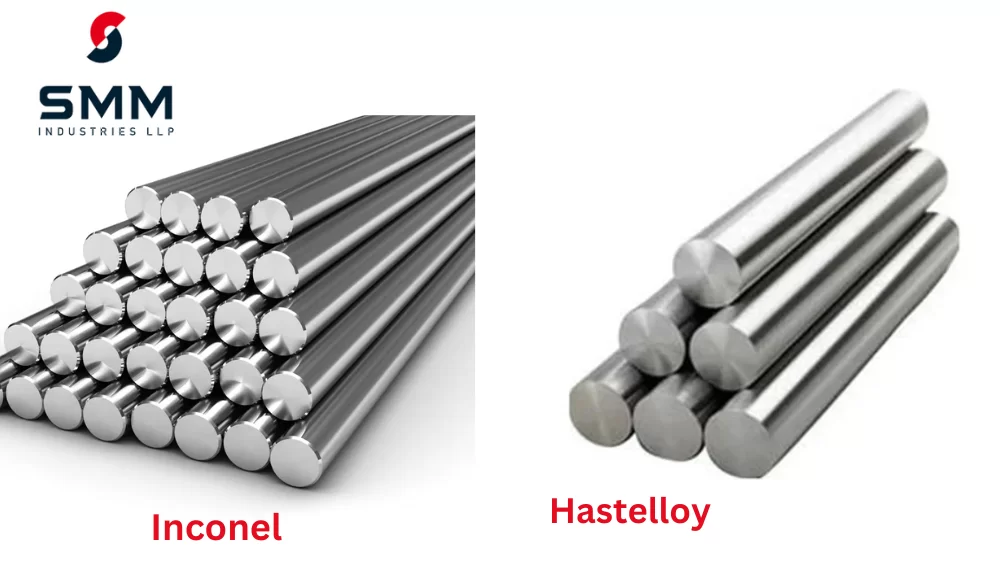
Inconel: Inconel alloys predominantly comprise nickel, chromium, and iron, with additional elements such as molybdenum, niobium, and cobalt. They typically contain a higher percentage of chromium than Hastelloy, contributing to their excellent oxidation and corrosion resistance.
Hastelloy: Hastelloy alloys are nickel-based but contain significant amounts of chromium and molybdenum, with additional elements like tungsten and cobalt. Hastelloy alloys often have a higher molybdenum content than Inconel, enhancing their resistance to corrosive chemicals and extreme environments.
Inconel: While Inconel alloys offer good corrosion resistance, they are primarily used in environments requiring moderate corrosion resistance. They perform well in oxidizing and reducing environments but may provide a different level of protection against aggressive chemicals than Hastelloy alloys.
Hastelloy: Hastelloy alloys are renowned for their superior corrosion resistance, particularly in highly corrosive environments containing acids, chlorides, and other aggressive chemicals. They offer exceptional resistance to uniform and localized corrosion, making them indispensable in critical applications where corrosion poses a significant threat.
Inconel: Inconel alloys exhibit excellent high-temperature strength and oxidation resistance, maintaining their mechanical properties at elevated temperatures. They are commonly used in gas turbine components, heat exchangers, and aerospace components.
Hastelloy: Hastelloy alloys offer outstanding high-temperature stability, retaining their mechanical properties even in extreme temperatures. They find extensive use in high-temperature chemical processing equipment, industrial furnaces, and applications where exposure to extreme heat is expected.
Inconel: Inconel alloys boast impressive mechanical properties, including high tensile strength, fatigue resistance, and toughness. They are known for their ability to withstand mechanical stress and deformation, making them suitable for demanding aerospace, marine, and automotive applications.
Hastelloy: Hastelloy alloys also exhibit excellent mechanical properties, high tensile strength, flexibility, and toughness. They offer exceptional resistance to deformation and mechanical stress, making them ideal for critical structural components and equipment in corrosive environments.
Inconel: Inconel alloys find applications in aerospace, marine engineering, gas turbine components, nuclear reactors, and chemical processing equipment where moderate corrosion resistance and high-temperature stability are required.
Hastelloy: Hastelloy alloys are commonly used in chemical processing, pollution control, oil and gas refining, pharmaceutical manufacturing, and desalination plants, where superior corrosion resistance and high-temperature stability are essential for prolonged service life and reliability.
The cost of both Inconel and Hastelloy alloys can vary depending on alloy composition, availability of raw materials, and manufacturing processes. Generally, Hastelloy alloys tend to be more expensive than Inconel alloys due to their higher molybdenum content and superior corrosion resistance.
Inconel and Hastelloy alloys represent pinnacle achievements in material science, offering unparalleled corrosion resistance, high-temperature stability, and mechanical properties. While both alloys excel in demanding environments, their specific compositions and characteristics make them better suited for certain applications. By understanding the differences between Inconel and Hastelloy, engineers and designers can make informed decisions when selecting materials for critical components and equipment, ensuring optimal performance, longevity, and reliability in various industries. Whether it’s aerospace, chemical processing, or manufacturing, the choice between Inconel and Hastelloy depends on specific application requirements, environmental conditions, and budget considerations.
Important questions about Inconel and Hastelloy alloys, properties and uses.
Inconel is mainly preferred for high temperature strength and oxidation resistance, while Hastelloy is known for superior corrosion resistance in aggressive chemical environments.
Hastelloy is generally better for chemical plants because it offers outstanding resistance against acids, chlorides and harsh chemicals.
Yes, Inconel is widely used in gas turbines, aerospace engines, furnaces and heat exchangers because of its excellent heat resistance.
In many cases, Hastelloy can be more expensive due to its advanced alloy composition and higher corrosion resistance performance.
SMM Industries LLP is a trusted supplier in Mumbai, India offering Inconel, Hastelloy and other premium alloy products.