

Stainless steel is one of the most versatile materials that the construction industry uses. From structural support to design elements, stainless steel is used in several applications. 316L stainless steel wire, in particular, is essential in many different aspects of construction. This type of stainless steel wire is known for its corrosion resistance, making it the go-to material for construction in areas exposed to hazardous elements. In this blog post, we will discuss the key roles of 316L stainless steel wire in the construction industry.
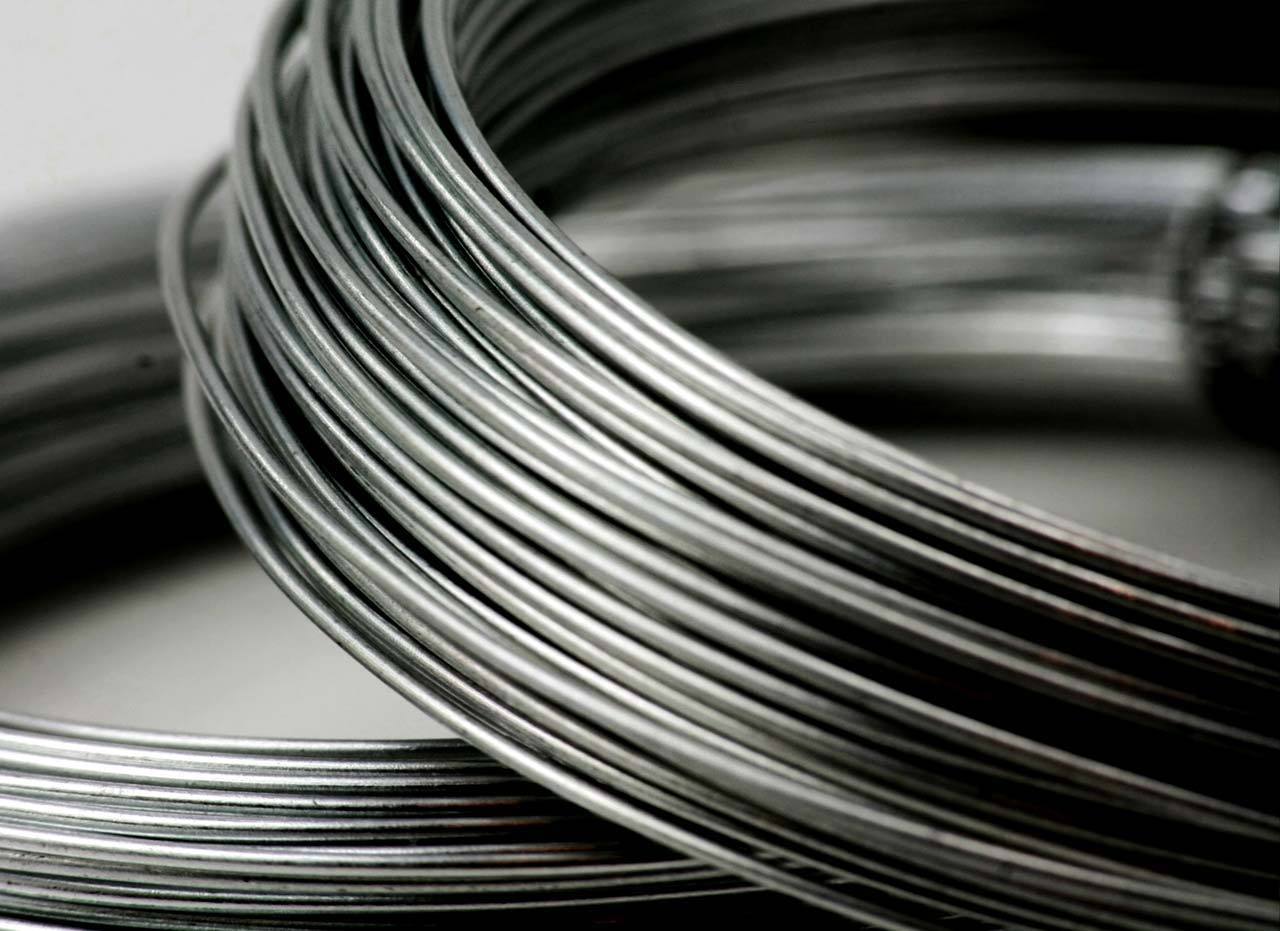
316L Stainless Steel Wire is a steel alloy of iron, chromium, and nickel. It has excellent corrosion resistance to various chemical media, good heat resistance, and high strength at elevated temperatures. It is commonly used in industrial applications such as springs, terminals, cable ties, and medical wire due to its strength and low reactivity with substances in contact.
Buildings and other structures require a strong, sturdy foundation to withstand harsh weather conditions and natural disasters. 316L stainless steel wire is an excellent choice for constructing these kinds of support structures, as it provides excellent resistance to corrosion caused by exposure to moisture and salt water. These characteristics make it an ideal building material for coastal and off-shore structures, suspension bridges, and other essential infrastructure projects where strength and durability are a priority.
316L stainless steel wire is an ideal material for cable railing due to its aesthetic appeal, strength, and durability. Cable railing systems are commonly used in residential homes, commercial buildings, and public spaces because they create a modern and sleek look 316L stainless steel wire is ideal for cable railing systems. Its corrosion resistance guarantees long-lasting durability.
The construction of vessels, docks, and piers requires materials that can withstand constant exposure to salty water. The corrosive nature of seawater can cause significant damage to standard metals, making it necessary to use materials with superior corrosion-resistant properties. Stainless steel wire is an effective solution for marine applications, and 316L stainless steel is the most commonly used material in marine construction due to its high resistance to pitting, crevice corrosion, and stress corrosion cracking.
316L stainless steel wire is also used in architectural and artistic metal fabrication. Architects and designers often choose this material because it can easily be shaped into unique and intricate designs. 316L stainless steel wire is a favorite of metal sculptors due to its strength, flexibility, and artistic ability.
The medical industry uses 316L stainless steel wire due to its biocompatibility, resistance to corrosion, and strength. It is used in medical implants, surgical instruments, and other medical devices where strength, durability, and biocompatibility are critical.
316L stainless steel wire plays a vital role in the construction industry due to its corrosion-resistant properties, strength, and ability to withstand harsh environments. It is used extensively in several important applications, such as structural support, cable railing, marine applications, metal fabrication, and medical devices. Its superior durability and aesthetic appeal make it a preferred choice of material for construction professionals and architects. The versatility of 316L stainless steel wire ensures its continued use in the construction industry for years.
Common questions about Hastelloy C276 Plate and Alloy 825 Plate comparison, properties, uses, and performance.
Hastelloy C276 Plate offers superior resistance to aggressive chemicals, while Alloy 825 Plate provides excellent resistance to acids and stress corrosion cracking.
Hastelloy C276 Plate generally has better corrosion resistance in highly corrosive chloride and oxidizing environments.
Yes, Alloy 825 Plate performs well in seawater and marine environments due to its nickel and molybdenum content.
Hastelloy C276 Plate typically offers higher tensile and yield strength than Alloy 825 Plate.
They are widely used in chemical processing, pollution control, marine, pharmaceutical, and power generation industries.
SMM Industries LLP is a trusted supplier, stockist, manufacturer, and exporter of Hastelloy C276 Plate and Alloy 825 Plate in Mumbai, India.